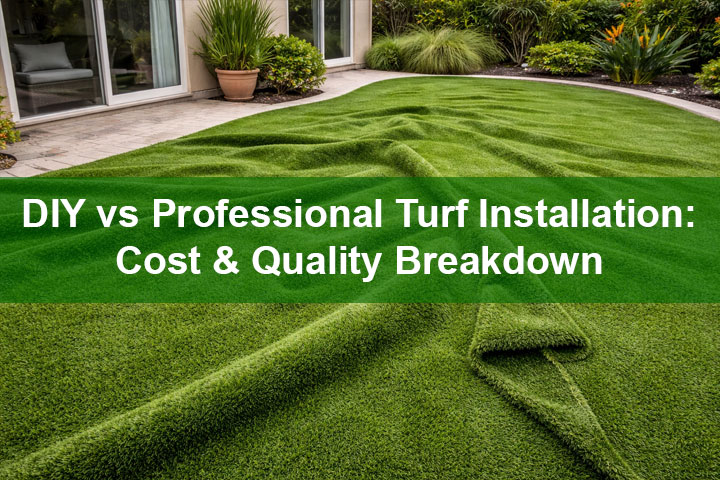
DIY vs Professional Turf Installation: Cost & Quality Breakdown
DIY vs professional turf installation is one of the biggest decisions homeowners face when planning an artificial grass project. Installing turf yourself can appear to save money upfront—but professional installation often delivers higher long-term value, better drainage, and a more polished finish.
So which option makes the most sense for your yard, pet area, playground, or commercial space? In this guide, we break down costs, quality differences, installation complexity, and long-term performance so you can make the right choice for your project.
Related Buy-Grass.com resources:
Artificial Grass Installation |
Residential Artificial Grass |
Pet Artificial Grass
Helpful references:
HomeAdvisor – Artificial Grass Cost Guide
|
U.S. Bureau of Labor Statistics – Construction Labor Data
What You’ll Learn
- The real cost differences between DIY and professional turf installation
- Quality factors that impact drainage, seams, and longevity
- Time and labor requirements for a DIY install
- Common DIY mistakes that lead to costly repairs
- When hiring a professional makes financial sense
- How to decide which option is right for your project
Understanding the True Cost of DIY Turf Installation
At first glance, DIY turf installation appears cheaper. You eliminate labor costs—but materials, equipment, and time still carry significant value.
Typical DIY Cost Components
- Artificial turf material (per square foot)
- Base materials (crushed stone, decomposed granite)
- Weed barrier fabric
- Edging materials
- Infill
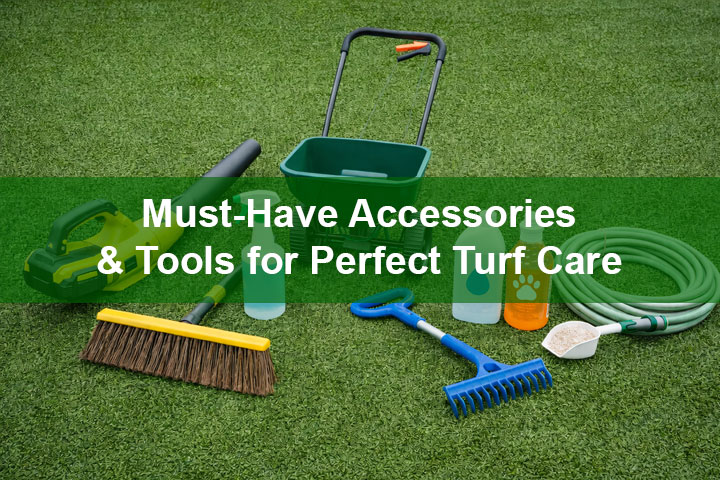
- Rental equipment (plate compactor, cutter, etc.)
- Adhesives and seam tape
When all costs are added—including tool rentals and delivery fees—DIY installations often total more than expected.
Professional Turf Installation Costs
Professional installation bundles labor, expertise, and warranty coverage into one package. While the upfront investment is higher, it includes:
- Site preparation and excavation
- Professional base compaction
- Drainage planning
- Seam alignment and adhesive work
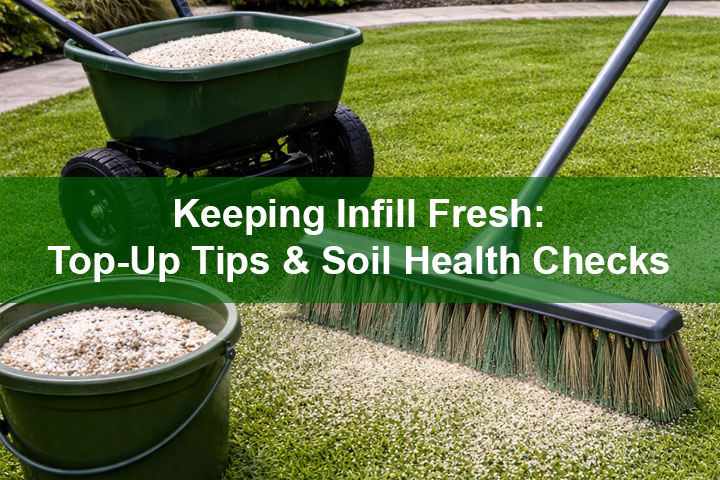
- Final grooming and infill leveling
Professional installers also account for waste, roll orientation, and long-term performance factors that many DIY projects overlook.
Quality Differences: What You Can’t See Matters
When comparing DIY vs professional turf installation, quality differences often lie beneath the surface.
Base Preparation
A properly compacted base is essential for drainage and longevity. Professionals use plate compactors and grading tools to create even slopes that prevent pooling.
Seam Visibility
Seams are one of the most noticeable indicators of installation quality. Poor seam alignment can lead to visible lines or lifting over time.
Edge Security
Improper edging can allow turf to shift or curl, especially in high-traffic areas.
Drainage: A Critical Factor
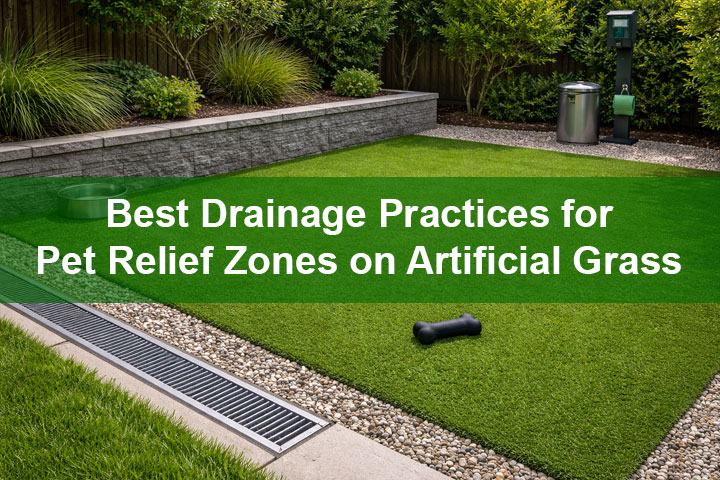
Drainage is often underestimated in DIY turf installation. Without proper grading and permeable base layers, water can collect beneath the surface.
Professional installation ensures:
- Proper slope (typically 1–2%)
- Compacted drainage layers
- Optional French or channel drains if needed
Learn more here:
Artificial Grass Drainage.
Time Investment: DIY Reality Check
A typical residential turf installation may take professionals 1–3 days. DIY projects often stretch across multiple weekends.
Consider:
- Excavation effort
- Base hauling and spreading
- Compaction passes
- Precise cutting and seam work
- Final grooming
Time has value—especially if mistakes require rework.
Common DIY Turf Installation Mistakes
Mistake: Insufficient Base Depth
Result: Uneven surfaces and drainage issues.
Mistake: Poor Seam Adhesion
Result: Visible lines and premature separation.
Mistake: Incorrect Grain Direction
Result: Patchy visual appearance.
Mistake: Skipping Infill or Improper Distribution
Result: Flattened fibers and reduced lifespan.
When DIY Makes Sense
DIY turf installation may be appropriate if:
- The area is small and simple (rectangular, minimal curves)
- You have access to proper tools
- You’re comfortable with heavy labor
- Drainage requirements are minimal
Side yards, small dog runs, and compact patios are often manageable DIY projects.
When Professional Installation Is Worth It
Professional installation is often the better choice for:
- Large backyard lawns
- Complex shapes and curves
- Sloped properties
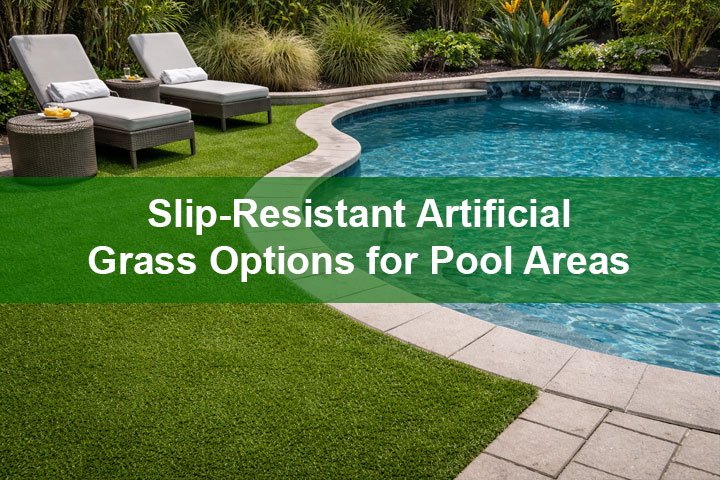
- Pool areas
- Commercial spaces
- Pet relief zones with drainage needs
The long-term performance and visual finish typically justify the investment.
Long-Term Value Comparison
When evaluating DIY vs professional turf installation, consider long-term value—not just upfront cost.
- Professional installs often last longer due to proper base prep
- Reduced repair risk saves money over time
- Warranty protection adds peace of mind
- Higher curb appeal may increase property value
Final Thoughts
There’s no one-size-fits-all answer in the DIY vs professional turf installation debate. Small, straightforward projects may work well as DIY efforts. However, larger or more complex installations often benefit from professional expertise.
If drainage, seams, grading, and long-term durability matter to you, investing in professional installation can deliver superior results and fewer headaches.
Not Sure Which Option Is Right for You?
Buy-Grass.com can help you compare DIY materials and professional installation options. Whether you’re tackling a small project yourself or want expert installation, we’ll guide you to the best solution.