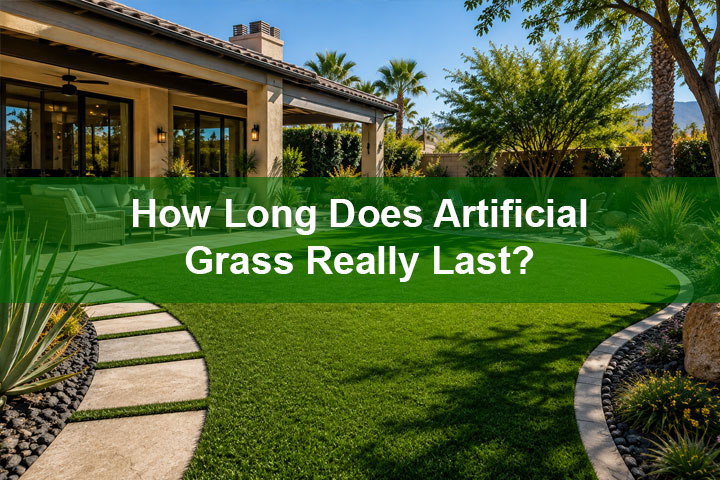
How Long Does Artificial Grass Really Last?
One of the biggest questions homeowners ask before investing in synthetic turf is, “How long does artificial grass really last?” The answer depends on several important factors, but the good news is that today’s premium products are designed to provide many years of beautiful performance when properly installed and maintained. Understanding what affects artificial grass lifespan will help you choose the right product and protect your investment.
Unlike natural grass that requires constant watering, mowing, fertilizing, and reseeding, artificial grass is built for long-term durability. While every installation is different, premium residential turf can remain attractive and functional for well over a decade with routine care.
What You’ll Learn
- What determines artificial grass lifespan
- How material quality affects longevity
- The role of professional installation
- How pets and foot traffic influence wear
- Maintenance habits that extend turf life
- Signs it may be time for replacement
- Common mistakes that shorten turf lifespan
- How to maximize your investment
What Is the Average Artificial Grass Lifespan?
High-quality residential artificial grass typically lasts 15 to 20 years, although actual performance depends on how the lawn is used and how well it is maintained. Premium commercial-grade products may last even longer in some applications, while lower-quality turf or poorly installed systems may require replacement much sooner.
The most important takeaway is that longevity isn’t determined by age alone. Product quality, installation, climate, maintenance, and daily use all contribute to the overall artificial grass lifespan.
Quality Materials Make the Biggest Difference
Not all artificial grass is manufactured to the same standards. Premium turf generally uses higher-quality fibers, stronger backing systems, improved UV protection, and more durable construction techniques.
Important specifications include:
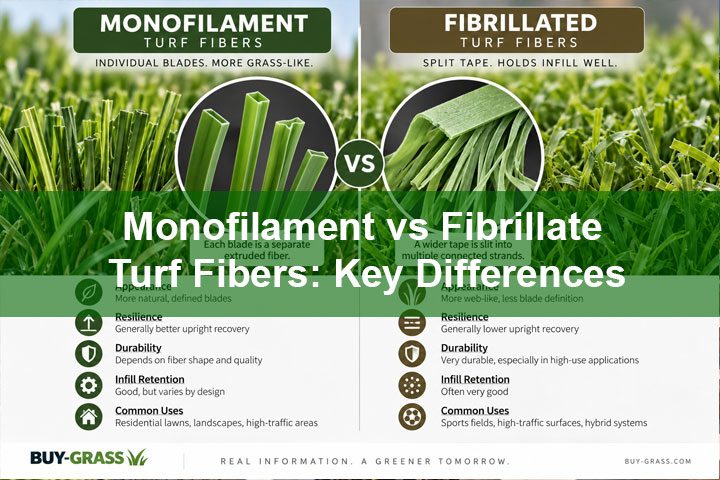
- Blade shape
- Face weight
- Pile height
- Fiber density
- Backing construction
- Drainage capability
- UV stabilizers
Learn more in our guides to Artificial Grass Blade Shapes, Face Weight Explained, and Pile Height vs. Performance.
Professional Installation Matters
Even the highest-quality turf cannot perform well if it is installed on an improperly prepared base.
A professional installation includes:
- Proper excavation
- Compacted aggregate base
- Excellent drainage
- Secure seam construction
- Correct edging
- Proper infill application
These steps help prevent wrinkles, drainage issues, uneven settling, and premature wear.
Read our complete Artificial Grass Installation Guide.
Climate and Weather Conditions
Modern artificial grass is designed to withstand a wide range of climates, but environmental conditions still influence long-term performance.
Sunny Climates
Premium UV-resistant fibers help prevent fading even in areas with intense sunshine, such as Southern California and the Southwest.
Cold Climates
Snow and freezing temperatures generally do not damage properly installed artificial grass.
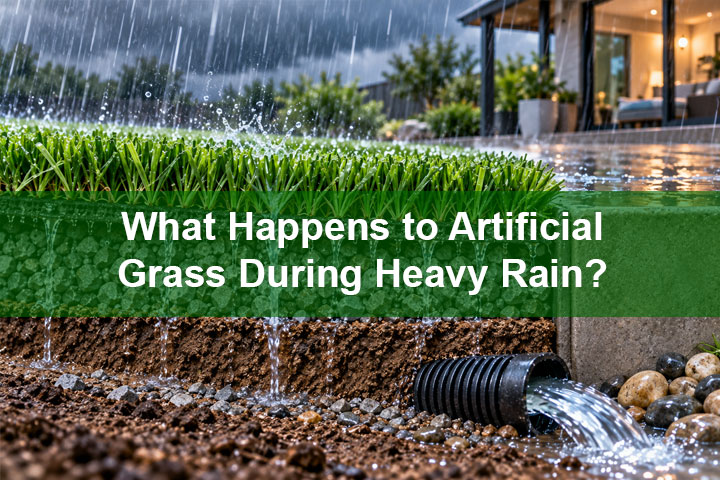
Heavy Rain Areas
Good drainage helps prevent standing water and keeps the base performing properly over time.
Foot Traffic and Daily Use
How the lawn is used has a significant impact on its lifespan.
Areas that experience frequent use—such as pet runs, children’s play spaces, and entertainment areas—naturally experience more wear than decorative landscapes. Fortunately, premium turf is engineered to recover from everyday activity.
Choosing the right product for your application is just as important as choosing a quality product.
Maintenance Extends Turf Life
Routine maintenance helps maximize artificial grass lifespan.
Recommended practices include:
- Remove leaves and debris regularly.
- Brush high-traffic areas occasionally.
- Rinse pet areas as needed.
- Inspect seams and edges annually.
- Remove weeds that appear around edges.
Artificial grass is low maintenance—not maintenance free—but the required upkeep is minimal compared to natural lawns.
Signs Your Artificial Grass Is Aging
Most quality installations age gradually rather than failing suddenly.
Common signs include:
- Flattened fibers that no longer recover
- Visible backing in high-traffic areas
- Worn seams
- Reduced drainage performance
- Noticeable fading on older products
These issues usually appear after many years of regular use and may not require immediate replacement depending on severity.
Common Mistakes That Shorten Lifespan
Choosing Low-Quality Turf
Budget products may save money initially but often wear more quickly.
Poor Installation
An improperly prepared base can shorten the life of even premium synthetic turf.
Ignoring Maintenance
Regular brushing and cleaning help maintain appearance and drainage.
Using the Wrong Turf for the Application
Different applications require different products. A decorative front lawn may not perform well in a heavily used dog run.
Protecting Your Investment
The best way to maximize your investment is to purchase premium turf, hire experienced installers, and follow a simple maintenance routine.
When these three factors come together, homeowners can expect years of reliable performance with dramatically less maintenance than a natural lawn.
Final Thoughts
A premium artificial lawn is designed to be a long-term landscape improvement rather than a temporary upgrade. While every project is different, homeowners who invest in quality materials and professional installation can enjoy a beautiful lawn for many years.
The key to maximizing artificial grass lifespan is choosing the right product from the beginning and taking a few simple steps to maintain it over time.
Choose Artificial Grass Built to Last
Buy-Grass.com helps homeowners compare premium artificial grass products based on durability, appearance, warranty, and long-term performance. Whether you’re installing a front lawn, pet area, or backyard retreat, we’ll help you find a turf system designed for years of dependable service.
Visit Buy-Grass.com today to explore premium artificial grass solutions.