Artificial Grass Myths Debunked: Separating Fact from Fiction
Modern synthetic turf has come a long way over the past two decades, yet many artificial grass myths continue to influence homeowners’ buying decisions. Some people still picture the bright green plastic lawns of the 1970s, while others worry about excessive heat, poor drainage, or unrealistic appearance. The reality is that today’s premium artificial grass products are engineered to look natural, perform exceptionally, and withstand years of daily use.
If you’re considering artificial grass for your home, it’s important to separate outdated misconceptions from today’s technology. In this guide, we’ll examine the most common myths and explain what homeowners can realistically expect from a modern synthetic lawn.
What You’ll Learn
- The most common artificial grass myths
- How today’s synthetic turf differs from older products
- What artificial grass can and cannot do
- How to choose quality turf
- When artificial grass is the right choice
- When natural grass may still be appropriate
- Common misconceptions about maintenance
- How modern turf performs in real life
Myth #1: Artificial Grass Looks Fake
This is probably the oldest of all artificial grass myths.
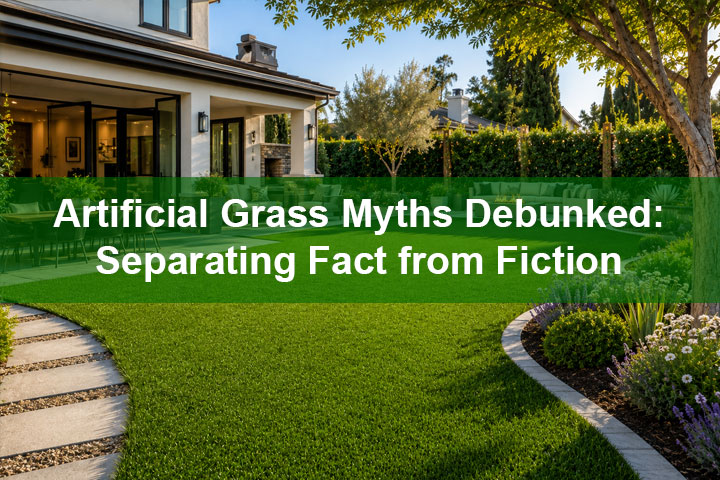
Years ago, many synthetic lawns featured bright green plastic fibers with little variation in color or texture. Modern premium turf is dramatically different. Today’s products combine multiple shades of green with brown thatch fibers, realistic blade shapes, and varied textures that closely resemble natural grass.
When professionally installed, many visitors cannot immediately tell the difference.
Learn more in our guides to Artificial Grass Blade Shapes and Pile Height vs. Performance.
Myth #2: Artificial Grass Gets Too Hot
Artificial grass does become warmer than natural grass in direct sunlight—just as concrete, pavers, and asphalt do. However, this doesn’t mean it’s unusable.
Homeowners can reduce surface temperatures by:
- Adding shade trees
- Installing pergolas or shade sails
- Briefly rinsing the turf before use
- Choosing lighter surrounding materials
Modern products also continue to improve heat management through advances in fiber technology.
Myth #3: Artificial Grass Requires No Maintenance
Artificial grass is often described as maintenance free, but that’s not entirely accurate.
The truth is that synthetic turf is low maintenance, not maintenance free.
Routine care includes:
- Removing leaves and debris
- Occasional brushing
- Rinsing pet areas
- Inspecting edges and seams
Compared to mowing, fertilizing, watering, and reseeding a natural lawn, however, maintenance requirements are dramatically reduced.
Myth #4: Artificial Grass Doesn’t Drain Well
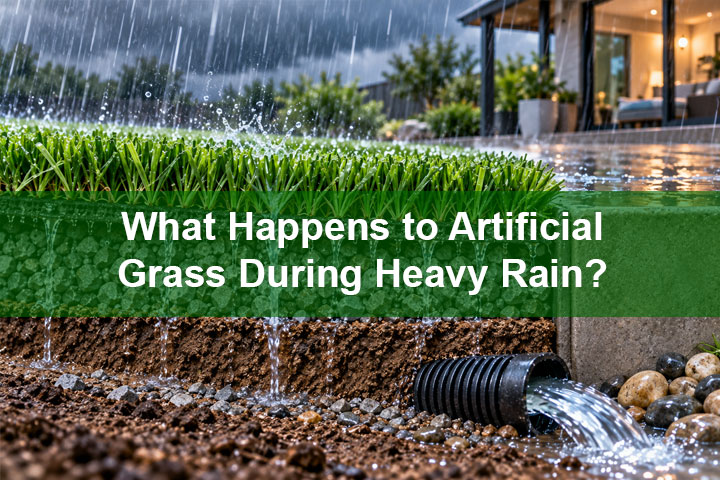
Modern artificial grass is specifically designed with drainage in mind.
Premium products feature perforated or fully permeable backing systems that allow water to pass quickly into the prepared base below.
In fact, many professionally installed synthetic lawns drain more efficiently than compacted natural lawns.
Proper installation remains essential. Learn more in our Artificial Grass Installation Guide.
Myth #5: Artificial Grass Is Bad for Pets
Today’s pet-friendly artificial grass is widely used by homeowners, veterinarians, dog daycares, and boarding facilities.
With proper drainage and routine cleaning, synthetic turf provides:
- Cleaner paws
- Less mud
- No dead grass from urine
- Reduced digging damage
- Easy waste removal
See our articles on Multi-Dog Turf Solutions and How Often Should Pet Turf Be Cleaned?.
Myth #6: Artificial Grass Doesn’t Last
Many homeowners are surprised to learn how durable premium synthetic turf has become.
High-quality residential products can provide many years of attractive performance when properly installed and maintained.
Read our complete guide on How Long Does Artificial Grass Really Last?.
Myth #7: Artificial Grass Is Only for Sports Fields
While synthetic turf first became popular in athletic facilities, today’s products are designed for a wide variety of residential and commercial applications.
Popular uses include:
- Front lawns
- Backyards
- Pet areas
- Pool surrounds
- Playgrounds
- Rooftop terraces
- Outdoor kitchens
- Commercial landscapes
Myth #8: Artificial Grass Hurts Property Value
In many drought-prone regions, professionally installed artificial grass can improve curb appeal while reducing maintenance and water consumption.
Many buyers appreciate attractive, low-maintenance landscaping that remains green throughout the year.
Myth #9: All Artificial Grass Is the Same
This is one of the costliest misconceptions.
Turf products differ significantly in:
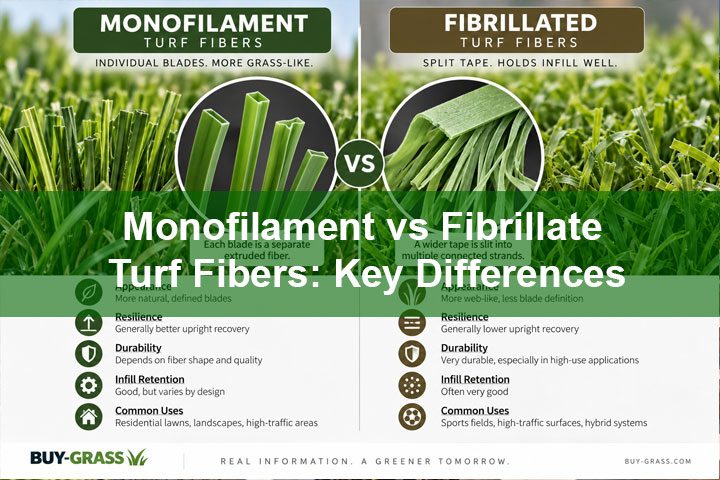
- Fiber quality
- Blade shape
- Face weight
- Pile height
- Backing systems
- Drainage performance
- Warranty coverage
Premium products often provide noticeably better appearance and longevity than budget alternatives.
Common Mistakes Homeowners Make
Believing Outdated Information
Many opinions about artificial grass are based on products manufactured decades ago.
Choosing the Cheapest Turf
Low-cost products may sacrifice realism, durability, or drainage performance.
Ignoring Installation Quality
Even premium turf requires proper installation to perform as intended.
Final Thoughts
Many of today’s artificial grass myths originated from outdated products and installation methods. Modern synthetic turf has evolved dramatically, offering realistic appearance, impressive durability, efficient drainage, and significantly lower maintenance than natural grass.
The key is selecting premium materials, working with experienced installers, and choosing a product designed for your specific application. By understanding the facts, homeowners can make informed decisions that provide years of enjoyment and lasting value.
Separate Myth from Reality
Buy-Grass.com helps homeowners compare artificial grass products using facts—not marketing hype. Explore our educational guides, compare turf specifications, and find the right synthetic grass for your home.
Visit Buy-Grass.com today to learn more about premium artificial grass.